> For the complete documentation index, see [llms.txt](https://docs.geopard.tech/geopard-tutorials/llms.txt). Markdown versions of documentation pages are available by appending `.md` to page URLs; this page is available as [Markdown](https://docs.geopard.tech/geopard-tutorials/ru/obzor-produkta-veb-prilozhenie/zones-maps-and-analytics/heterogeneity-factor.md).
# Коэффициент неоднородности
Измеряйте внутриполевую вариабельность, чтобы определить поля, где зонирование и дифференцированное внесение дают наибольшую пользу.
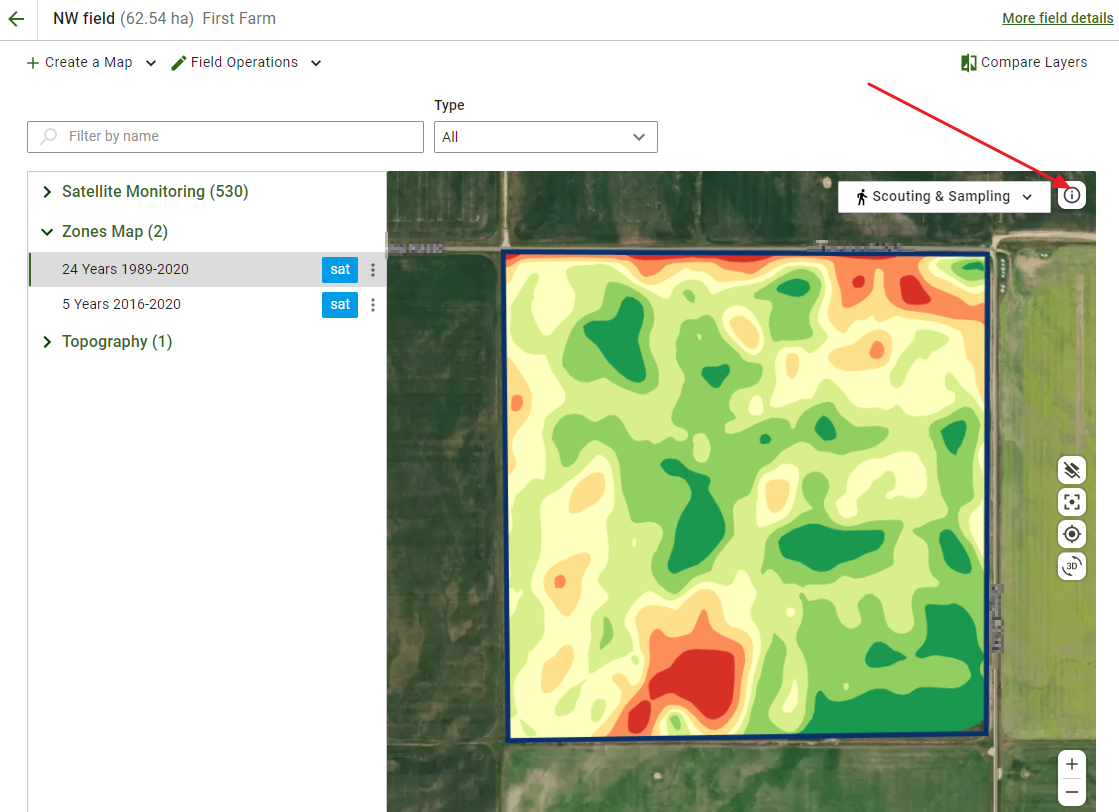
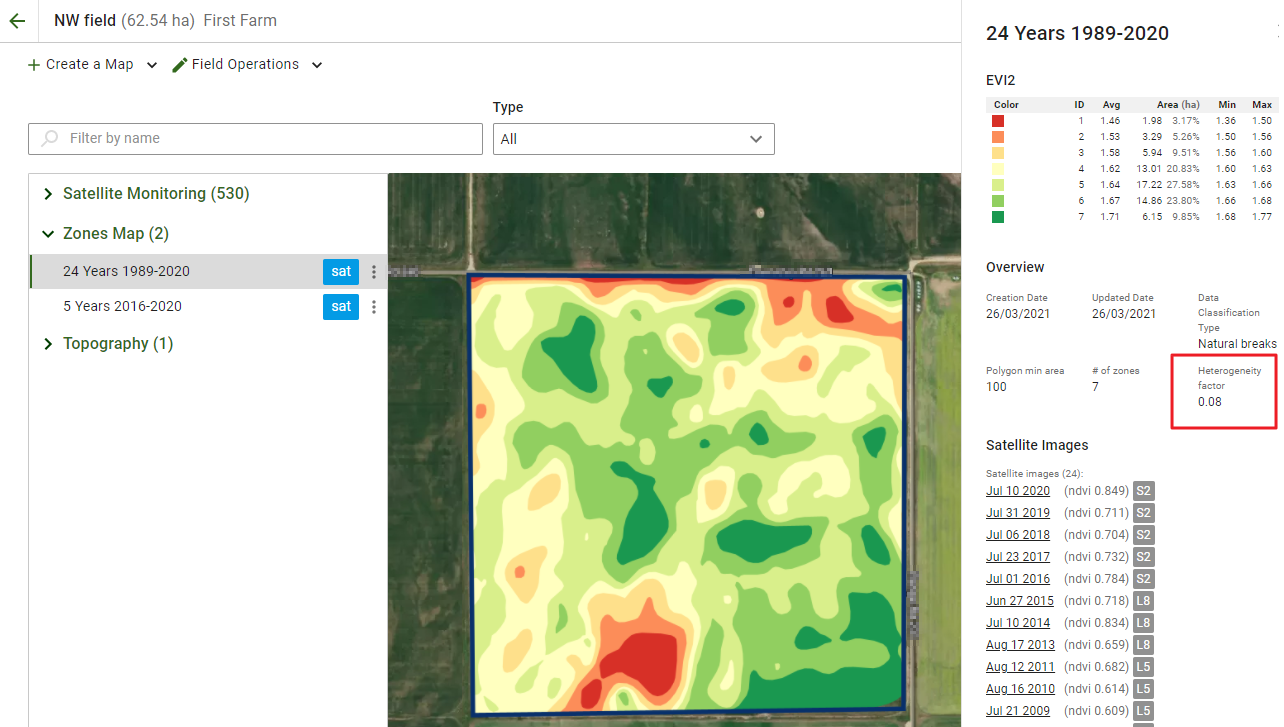
Одна из функций GeoPard — показатель неоднородности ваших полей. Чтобы посмотреть его, откройте нужное поле, выберите карту зон и нажмите на **«Информация»** на карте. Откроется боковая панель.
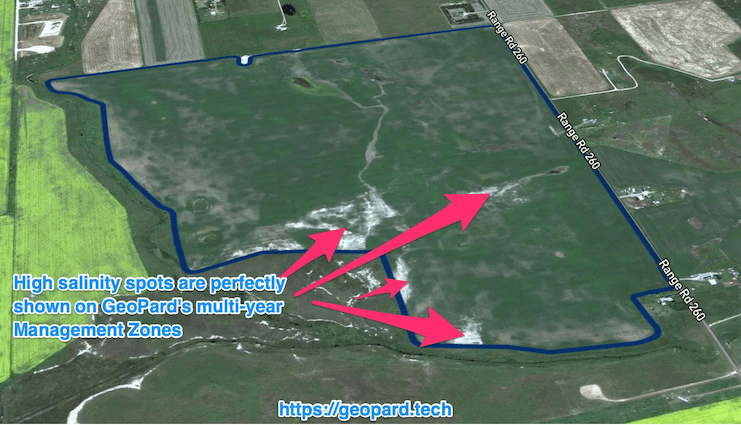
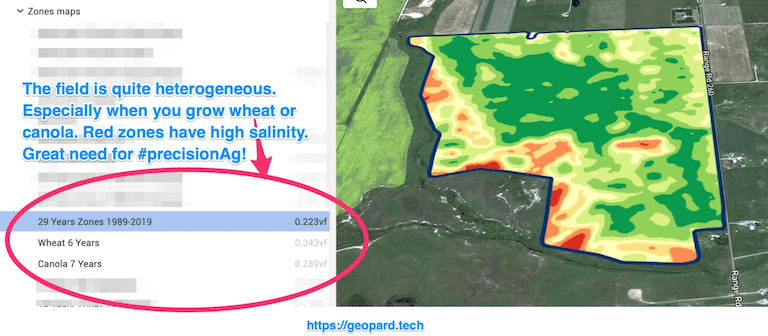
Показатель неоднородности отражает степень неоднородности и вариабельности поля. Чем выше вариабельность поля, тем больше потребность в технологиях точного земледелия. Этот показатель особенно полезен в сочетании с многолетней аналитикой GeoPard (историей за 30 лет).
Если у вас много полей, этот показатель поможет определить, какие из них в первую очередь обрабатывать с помощью [дифференцированного внесения](http://test/) (при посеве, внесении удобрений и опрыскивании).
Сочетая показатель неоднородности GeoPard с многолетней аналитикой, вы сможете максимально сократить расходы на химикаты на самых неоднородных полях.
---
# Agent Instructions
This documentation is published with GitBook. GitBook is the documentation platform designed so that both humans and AI agents can read, navigate, and reason over technical content effectively. Learn more at gitbook.com.
## Querying This Documentation
If you need additional information that is not directly available in this page, you can query the documentation by asking a question.
Perform an HTTP GET request on the following URL with the `ask` and `goal` query parameters:
```
GET https://docs.geopard.tech/geopard-tutorials/ru/obzor-produkta-veb-prilozhenie/zones-maps-and-analytics/heterogeneity-factor.md?ask=&goal=
```
`ask` is the immediate question: it should be specific, self-contained, and written in natural language.
`goal` is what the user is ultimately trying to achieve, the reason they need the answer. Sharing it helps GitBook give you a better, more relevant answer. A goal is most helpful when it describes the outcome the user wants rather than restating the question. For example, with `ask=how do I create an API token`, a goal like `automate deployments from our CI pipeline` lets GitBook tailor the answer to that use case.
The response will contain a direct answer to the question and relevant excerpts and sources from the documentation.
Use this mechanism when the answer is not explicitly present in the current page, you need clarification or additional context, or you want to retrieve related documentation sections.