> For the complete documentation index, see [llms.txt](https://docs.geopard.tech/geopard-tutorials/llms.txt). Markdown versions of documentation pages are available by appending `.md` to page URLs; this page is available as [Markdown](https://docs.geopard.tech/geopard-tutorials/ro/tur-de-produs-aplicatia-web/harti-si-analize-ale-zonelor/factor-de-eterogenitate.md).
# Factor de eterogenitate
Măsoară variabilitatea din interiorul parcelei pentru a identifica parcelele unde zonarea și ratele variabile aduc cea mai mare valoare.
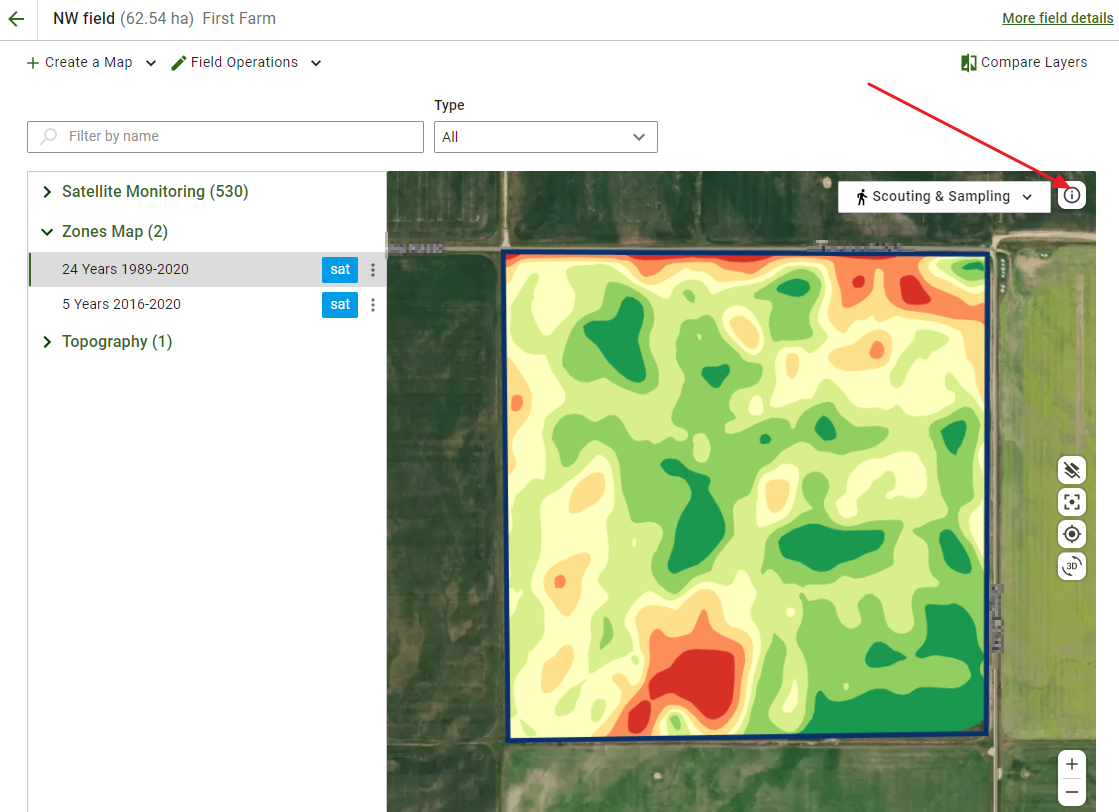
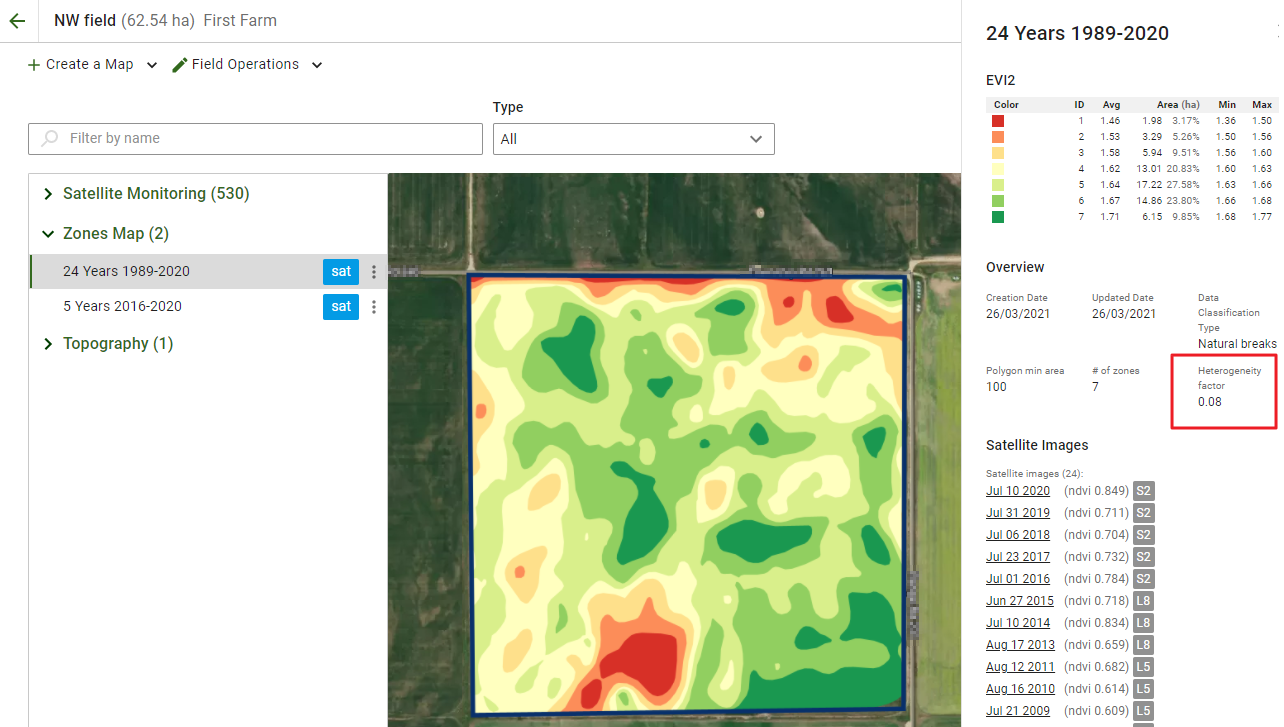
Una dintre funcțiile oferite de GeoPard este factorul de eterogenitate al parcelelor dvs. Pentru a-l consulta, deschideți parcela necesară, selectați harta zonelor și faceți clic pe **Info** din hartă. Panoul lateral se va deschide.
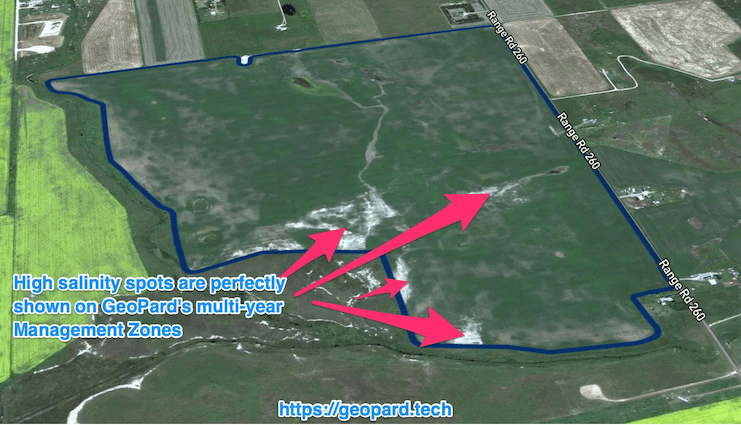
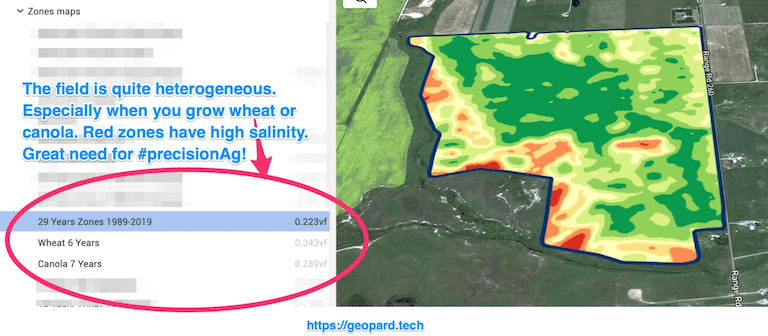
Factorul de eterogenitate este numărul care arată nivelul de eterogenitate/variabilitate al parcelelor dvs. Cu cât o parcelă are mai multă variabilitate, cu atât este mai mare necesitatea tehnologiilor de agricultură de precizie. Este deosebit de util atunci când este folosit împreună cu analizele multianuale GeoPard (istoric pe 30 de ani).
Dacă aveți multe parcele, vă poate ajuta să înțelegeți care parcele să fie vizate primele cu [Aplicări cu rată variabilă](http://test/) (semănat, fertilizare, stropire).
Prin combinarea factorului de eterogenitate GeoPard cu analizele multianuale, puteți economisi cel mai mult la substanțele chimice în cele mai eterogene parcele.
---
# Agent Instructions
This documentation is published with GitBook. GitBook is the documentation platform designed so that both humans and AI agents can read, navigate, and reason over technical content effectively. Learn more at gitbook.com.
## Querying This Documentation
If you need additional information that is not directly available in this page, you can query the documentation by asking a question.
Perform an HTTP GET request on the following URL with the `ask` and `goal` query parameters:
```
GET https://docs.geopard.tech/geopard-tutorials/ro/tur-de-produs-aplicatia-web/harti-si-analize-ale-zonelor/factor-de-eterogenitate.md?ask=&goal=
```
`ask` is the immediate question: it should be specific, self-contained, and written in natural language.
`goal` is what the user is ultimately trying to achieve, the reason they need the answer. Sharing it helps GitBook give you a better, more relevant answer. A goal is most helpful when it describes the outcome the user wants rather than restating the question. For example, with `ask=how do I create an API token`, a goal like `automate deployments from our CI pipeline` lets GitBook tailor the answer to that use case.
The response will contain a direct answer to the question and relevant excerpts and sources from the documentation.
Use this mechanism when the answer is not explicitly present in the current page, you need clarification or additional context, or you want to retrieve related documentation sections.