> For the complete documentation index, see [llms.txt](https://docs.geopard.tech/geopard-tutorials/llms.txt). Markdown versions of documentation pages are available by appending `.md` to page URLs; this page is available as [Markdown](https://docs.geopard.tech/geopard-tutorials/jpn/nong-xue/fertilizer-and-nitrogen/use-case-variable-rate-nitrogen-vra-for-potatoes-to-realize-5-10-more-yield.md).
# ユースケース:ジャガイモの可変施肥窒素(VRA)で収量を5〜10%向上
GeoPardとSentinel-2 RedEdgeChlorophyllを使って、ジャガイモのVRA追肥マップを作成し、同じ総窒素量で収量を5〜10%向上させます。
**詳細はこちら:** [ジャガイモの収量を5~10%向上(事例紹介)](https://geopard.tech/blog/vk2kgcd5o1-realize-5-10-more-yield-in-potatoes/)
## 要約
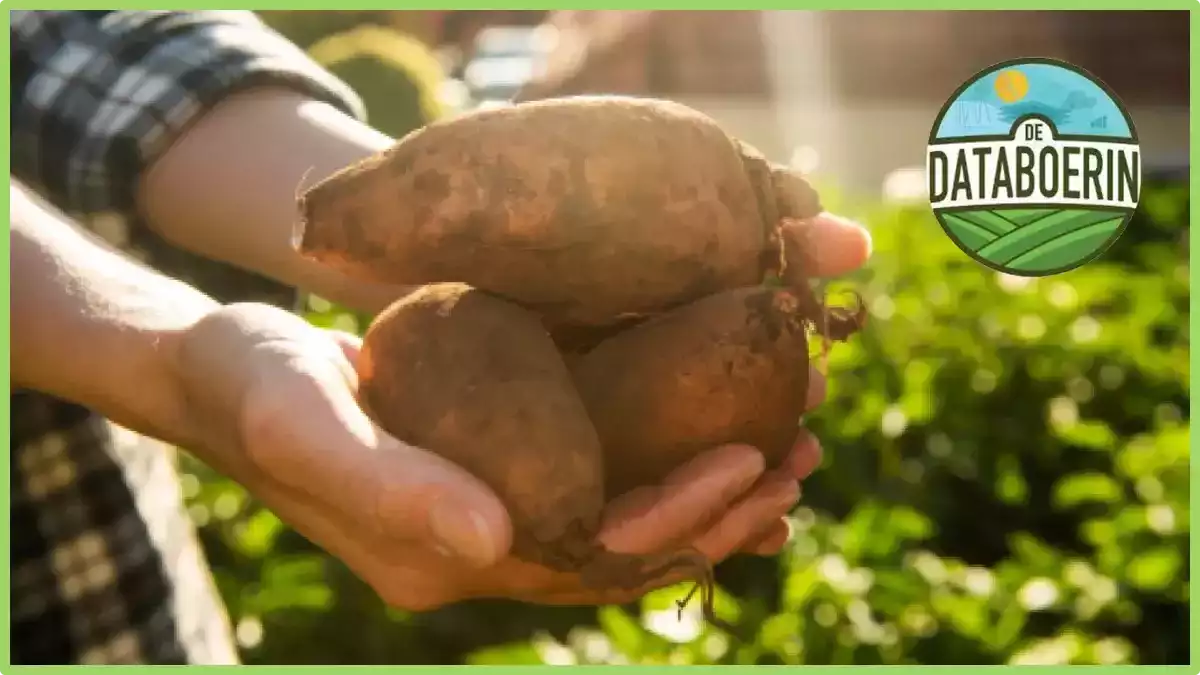
**クライアント:** [**Databoerin(オランダ)**](https://databoerin.nl/) — 革新的なスマート農業コンサルティング会社。代表は **Nicole Bartelds**。ジャガイモの施肥計画を専門とし、数年にわたりGeoPardを活用して、 **窒素の可変施肥(追肥)** を **Sentinel-2 RedEdgeChlorophyll** と作物生育モデルに基づいて作成しています。複数年にわたる圃場試験で報告された成果には、 **収量が5~10%増加** しながら **窒素の総施用量は同じ**であること、群落がより均一になること、成熟が揃い、よりきれいに進むことが含まれます。一般的な施肥プログラムでは、初期に窒素施用量の約**60%を基肥として施用** し、その後、 **群落が畝間を覆う時期に追肥** します。クロロフィルから推定した窒素吸収量を指標とします。
最適化 **ジャガイモの窒素追肥** を、 **Sentinel-2のクロロフィル(RedEdgeChlorophyll)**、作物生育モデル、GeoPardの可変施肥処方(ISOXML)を用いて実施します。オランダのコンサルティング会社が報告した圃場試験の結果では、 **収量が5~10%増加** しながら **窒素の総施用量は同じ**で、必要量に応じて施用量を配分し直しています。
### 利用に適した条件
* 鉱質化の程度に **ばらつきがある** 土壌や、生育にむらのあるジャガイモ圃場。
* 追肥時(畝間がふさがる時期)に **窒素の配分を調整したい** 生産者、コンサルタント、販売店。
### 入力データ
* **衛星画像:** Sentinel-2。GeoPardは **雲のない画像を約1日以内に処理し**、 **RedEdgeChlorophyll**.
* **圃場境界とゾーン:** 農場やFMSから取り込むか、GeoPardで作成します。
* 任意:土壌分析、過去の収量、地形データ(参考情報)。
### 栽培管理の考え方(ジャガイモの窒素追肥)
* **基肥:** 生育初期に、推奨施用量の約**60%** を施用します(堆肥+化学肥料由来の窒素)。
* **群落が畝間を覆う時期の追肥:** クロロフィルに基づく窒素吸収量を利用して **必要な場所にのみ窒素を施用する**.
***
### 手順(GeoPardのワークフロー)
1. **衛星画像を取り込む**\
最新の **雲のないSentinel-2** シーンを使用します。GeoPardは **RedEdgeChlorophyll** を圃場ごとに提供します。
2. **窒素吸収量を推定する**\
から **クロロフィル含量** (葉の窒素量の指標)現在の窒素吸収量を、 **最適な吸収量と比較して推定します** 作物モデルから取得します。
3. **差分を計算します**\
差を次の形式に変換します: **可変施肥量(kg N/ha)** 管理単位ごとに設定します。
4. **可変施肥マップを作成します。次のツールを使用してください:** [**施肥量分布ツール**](https://docs.geopard.tech/geopard-tutorials/jpn/tsu-webapuri/zones-maps-and-analytics/assign-variable-rates-in-zones-ag-input-rates-distribution-tool.md)\
設定 **最小/最大散布量** と作業上の制約を設定し、 **ISOXMLをエクスポート** して、散布機/端末で使用します。
5. **実行して確認**\
追肥を行い、作物群落の均一性を確認します。その後、 **収量**を使います。 **作業後データ** + 検証用の新しい画像。
***
### 出力
* **RedEdgeクロロフィルマップ** (群落窒素量の指標)。
* **可変施肥用の窒素追肥処方** (ISOXML)。
* 任意 **EVI2** 品種による違いや群落の均一性を可視化します。
### 期待される効果
* **収量:** 報告値 **+5~10%** 空間的な配分の改善により、窒素総量を変えずに。
* **作物の均一性:** 群落のむらが減る → より均一に **疫病菌** 防除と **成熟**.
***
### ベストプラクティス
* 追肥の時期 **作物の畝が閉じる頃**.
* 枕地・境界部分を除外し、 **散布量の下限・上限を設定して** 機械の安全を確保します。
* 雲や [**影に注意し、**](https://geopard.tech/blog/cloud-and-shadow-detection-in-agriculture/)単位(kg/ha)を確認します。
* 堆肥の無機化が進んでいる場合は、最大散布量を控えめに設定し、 **試験区で検証します**.
### 検証とKPI
* **群落の均一性** (施用後の画像)
* **収量の増加** ゾーンごとに基準値と比較します。
* [**窒素利用効率(NUE)**](https://docs.geopard.tech/geopard-tutorials/jpn/nong-xue/fertilizer-and-nitrogen/nitrogen-use-efficiency-nue-and-nitrogen-uptake.md) および目標散布量の範囲内に収まる面積の割合。
***
### トラブルシューティング
* **最近の画像がありませんか?** 次の雲のない撮影を待ち、マップを再作成してください。
* **品種の違いで生育にばらつきがありますか?** **EVI2** を使って、品種による差と窒素のシグナルを切り分けます。
* **コントローラーがファイルを受け付けませんか?** ISOXML形式で再エクスポートし、端末プロファイルと座標系を確認してください。
***
### よくある質問
**どの指数を使用しますか?**\
**窒素状態の評価には** RedEdgeChlorophyllを、 **生育勢や品種差の比較には** EVI2を使用します。
**基肥と追肥の窒素量はどのように配分しますか?**\
このワークフローでの一般的な配分は、約**60%を基肥**とし、残りをクロロフィル情報に基づいて追肥します。
**どの程度の増収が見込めますか?**\
現地での実績として、 **総窒素量を変えずに配分を調整した場合、収量が5~10%増加** した例が報告されています。結果は異なる場合があります。
***
#### 出典
このユースケースは、 **Databoerin(オランダ)** とのプロジェクトをもとに作成され、ジャガイモの施肥にGeoPardの分析機能を使用しています。
---
# Agent Instructions
This documentation is published with GitBook. GitBook is the documentation platform designed so that both humans and AI agents can read, navigate, and reason over technical content effectively. Learn more at gitbook.com.
## Querying This Documentation
If you need additional information that is not directly available in this page, you can query the documentation by asking a question.
Perform an HTTP GET request on the following URL with the `ask` and `goal` query parameters:
```
GET https://docs.geopard.tech/geopard-tutorials/jpn/nong-xue/fertilizer-and-nitrogen/use-case-variable-rate-nitrogen-vra-for-potatoes-to-realize-5-10-more-yield.md?ask=&goal=
```
`ask` is the immediate question: it should be specific, self-contained, and written in natural language.
`goal` is what the user is ultimately trying to achieve, the reason they need the answer. Sharing it helps GitBook give you a better, more relevant answer. A goal is most helpful when it describes the outcome the user wants rather than restating the question. For example, with `ask=how do I create an API token`, a goal like `automate deployments from our CI pipeline` lets GitBook tailor the answer to that use case.
The response will contain a direct answer to the question and relevant excerpts and sources from the documentation.
Use this mechanism when the answer is not explicitly present in the current page, you need clarification or additional context, or you want to retrieve related documentation sections.