> For the complete documentation index, see [llms.txt](https://docs.geopard.tech/geopard-tutorials/llms.txt). Markdown versions of documentation pages are available by appending `.md` to page URLs; this page is available as [Markdown](https://docs.geopard.tech/geopard-tutorials/esp/tour-del-producto-aplicacion-web/zones-maps-and-analytics/heterogeneity-factor.md).
# Factor de heterogeneidad
Mide la variabilidad dentro del lote para identificar los lotes donde la zonificación y las dosis variables aportan más valor.
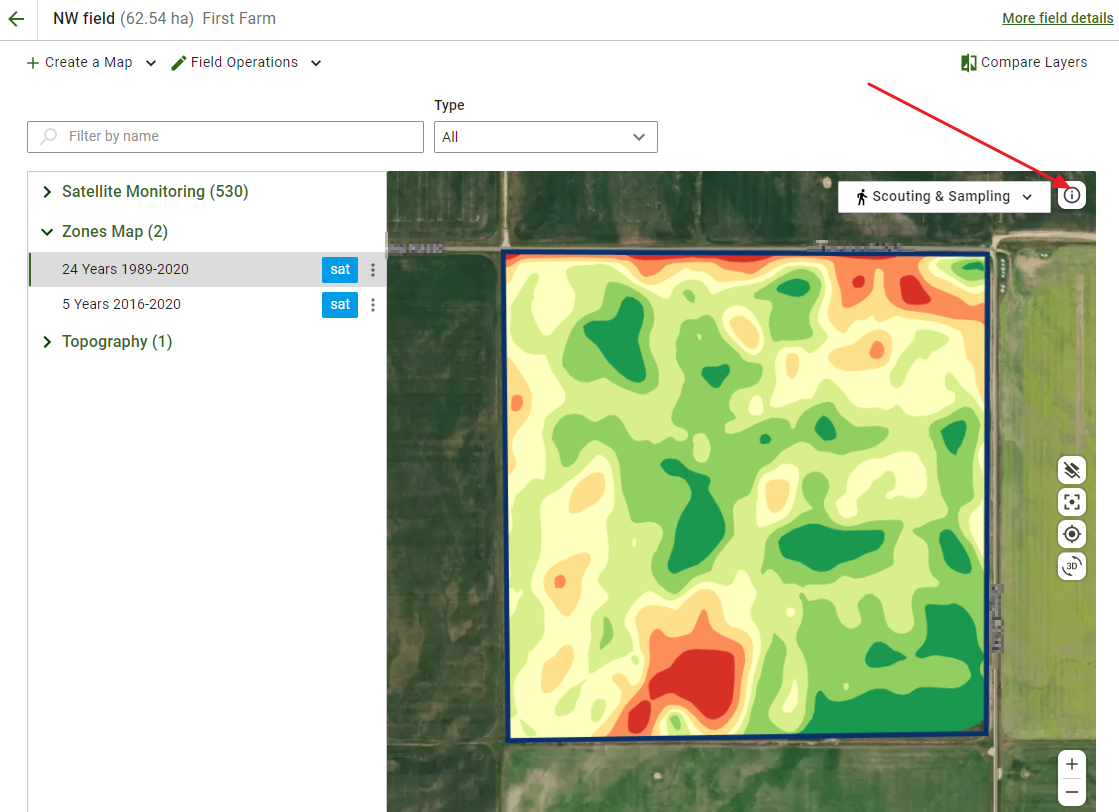
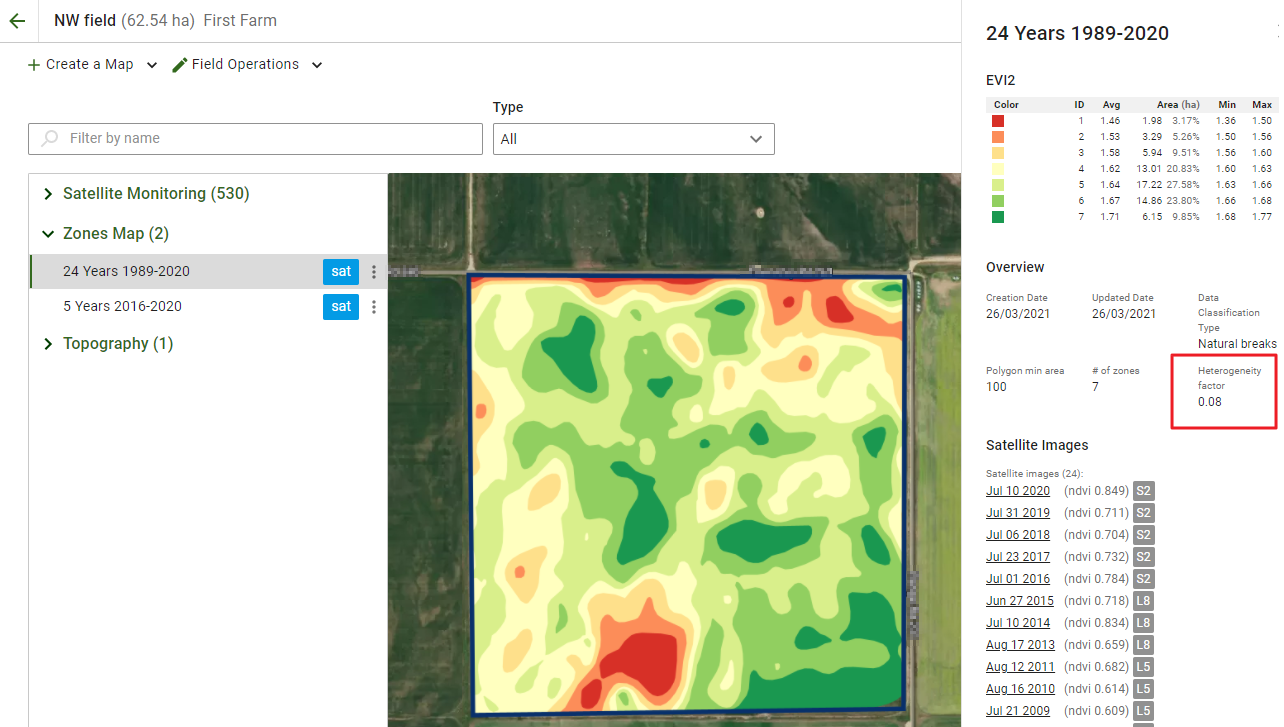
Una de las funciones que ofrece GeoPard es el factor de heterogeneidad de tus lotes. Para consultarlo, abre el lote que quieras, selecciona el mapa de zonas y haz clic en el **Información** icono del mapa. Se abrirá el panel lateral.
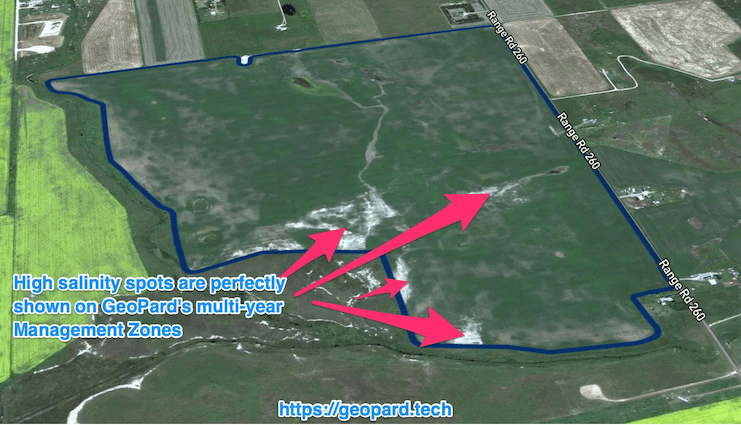
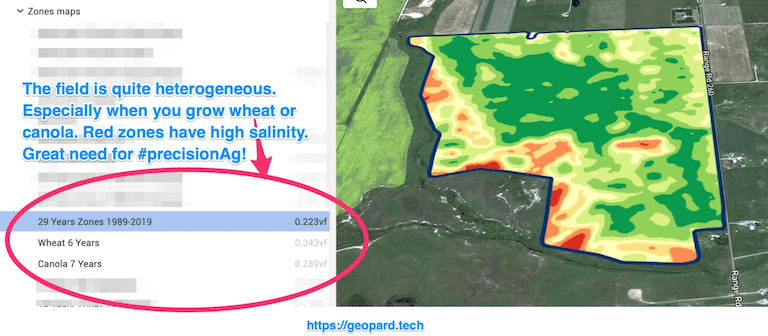
El factor de heterogeneidad es un valor que indica el nivel de heterogeneidad o variabilidad de tus lotes. Cuanta mayor variabilidad tenga un lote, más necesarias serán las tecnologías de agricultura de precisión. Resulta especialmente útil al combinarlo con los análisis multianuales de GeoPard (historial de 30 años).
Si tienes muchos lotes, puede ayudarte a decidir en cuáles aplicar primero las [Aplicaciones de dosis variable](http://test/) (siembra, fertilización y pulverización).
Al combinar el factor de heterogeneidad de GeoPard con los análisis multianuales, puedes ahorrar más en productos químicos en los lotes más heterogéneos.
---
# Agent Instructions
This documentation is published with GitBook. GitBook is the documentation platform designed so that both humans and AI agents can read, navigate, and reason over technical content effectively. Learn more at gitbook.com.
## Querying This Documentation
If you need additional information that is not directly available in this page, you can query the documentation by asking a question.
Perform an HTTP GET request on the following URL with the `ask` and `goal` query parameters:
```
GET https://docs.geopard.tech/geopard-tutorials/esp/tour-del-producto-aplicacion-web/zones-maps-and-analytics/heterogeneity-factor.md?ask=&goal=
```
`ask` is the immediate question: it should be specific, self-contained, and written in natural language.
`goal` is what the user is ultimately trying to achieve, the reason they need the answer. Sharing it helps GitBook give you a better, more relevant answer. A goal is most helpful when it describes the outcome the user wants rather than restating the question. For example, with `ask=how do I create an API token`, a goal like `automate deployments from our CI pipeline` lets GitBook tailor the answer to that use case.
The response will contain a direct answer to the question and relevant excerpts and sources from the documentation.
Use this mechanism when the answer is not explicitly present in the current page, you need clarification or additional context, or you want to retrieve related documentation sections.